An illustrated worldThe quiet inn
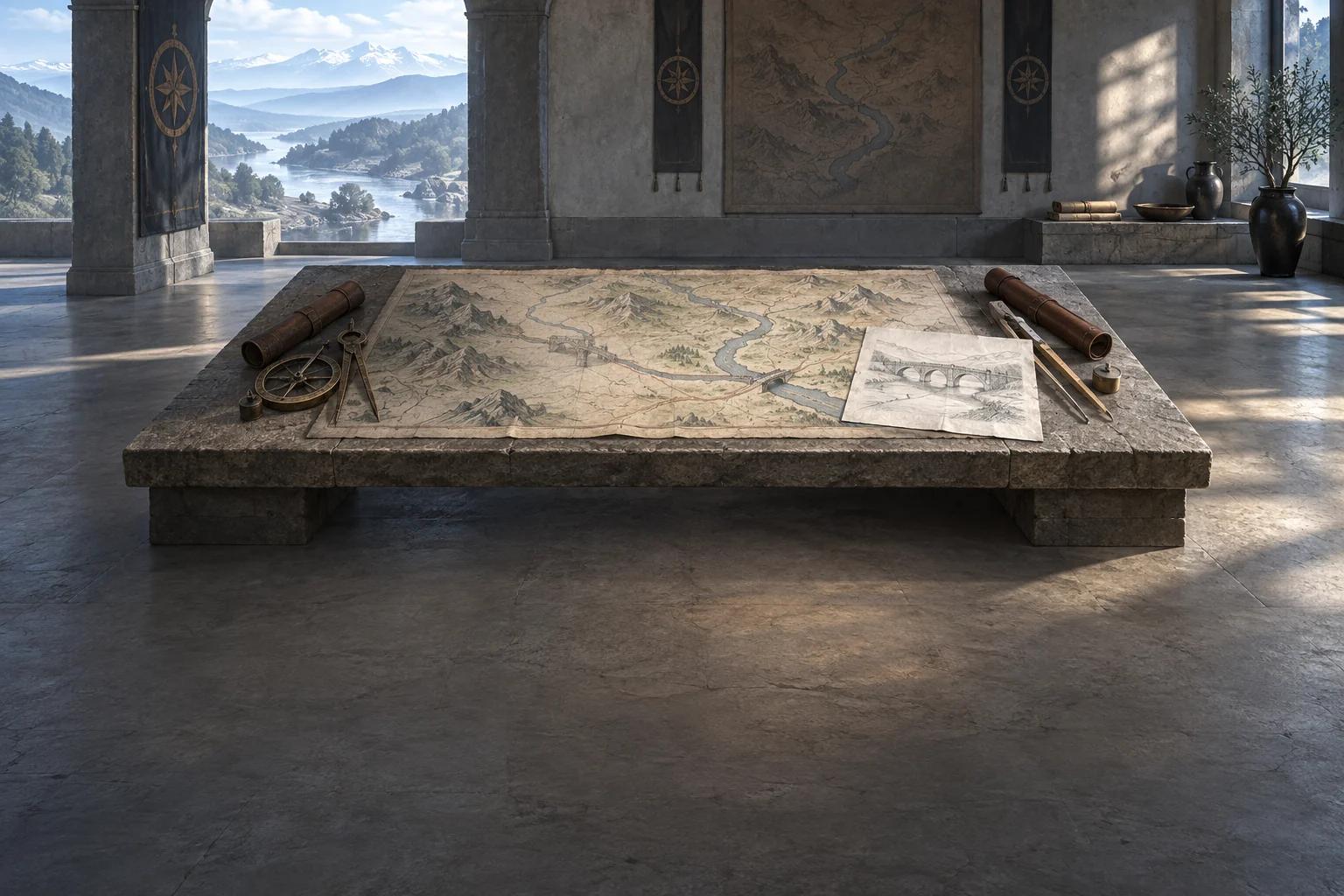 An illustrated worldThe map room
A question for life · Critical Thinking
A question preview · At your pace
Checking your interest…
Recognise the moment
You lead a client meeting about a system you know well. The client asks whether a new feature will support their launch date. You have not checked this version. Your junior colleague has tested it. The client wants an answer before approving the work.
A fluent answer may win the approval, but a wrong commitment would become yours to repair.
Explore a possible response
Keep the decision moving and offer the judgement they came for.
The client may commit resources on an assumption you have not verified.
Protect the accuracy of the commitment.
Expose the gap in your knowledge and delay approval.
Use the freshest evidence while the client is present.
Let someone junior become the authority on a question addressed to you.
Every path carries a trade-off. Consider what matters to you and the people involved.
An expectation to explore
A possible reading to explore. It may not describe your response.
If I cannot answer this, they will stop treating me as someone worth listening to.
Answering fluently may preserve the appearance of expertise for the next few minutes.
You may spend the rest of the day checking and defending an answer you were not sure of.
The effort to appear informed can prevent you from asking the question that would let you learn.
Are you protecting the quality of the answer, or your position as the person who knows?
Critical Thinking · In practice
If a sound commitment matters most, making the knowledge gap visible can serve it while accepting impatience and someone else supplying the answer.
Your response can serve you here. Another choice has costs too.Set in the map room
You are replacing the map keeper for a supply caravan. The captain needs a route before hiring carts. You know the old crossings, but a bridge was rebuilt last month. A young surveyor beside you visited it yesterday. The captain places a finger on that bridge; the cart owners wait behind him.
“You keep the maps. Can our loaded carts cross here, or must I pay for the longer road?”
Notice the pull. Afterwards, explore what it means in your life.
The research behind the concepts. AATAM brings them into this moment through its own framework.
AATAM Research and the evidenceChecking the latest showing…