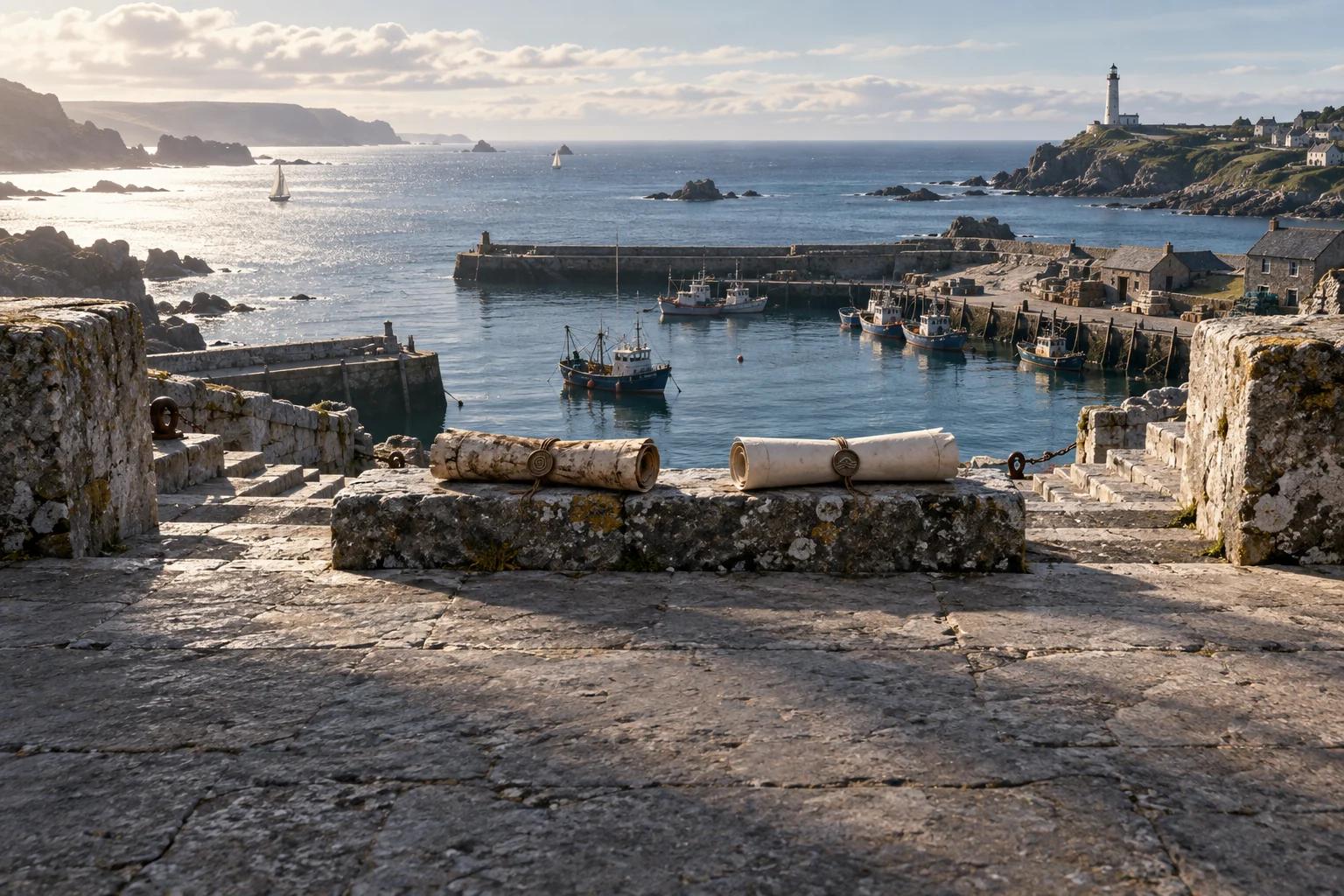
An illustrated worldThe waterside terrace
 An illustrated worldThe weather house
A question for life · Critical Thinking
A question preview · At your pace
Checking your interest…
Recognise the moment
Your manager writes, “Can we talk tomorrow?” There is no agenda and no other sign of trouble. Today’s work is finished. You could seek context, prepare for losing the role, or leave the question until morning.
The meeting might matter; a worst-case story could consume the evening before you know why.
Explore a possible response
Possibly get useful context
You may receive no answer tonight
Have a fallback ready if tomorrow brings the worst news
Spend tonight responding to a loss the message has not established
Keep the evening available
Sit with an unanswered message
Every path carries a trade-off. Consider what matters to you and the people involved.
An expectation to explore
A possible reading to explore. It may not describe your response.
If I miss the worst possibility, I could be caught unprepared.
Running ahead can feel like preparation.
An uncertain signal occupies attention as though disaster has arrived.
Separating observed fact from feared forecast becomes harder; proportionate preparation gives way to a full disaster response.
What has happened, and what have I supplied in my mind?
Critical Thinking · In practice
If you want a measured response under uncertainty, naming only known signs guides proportionate action, while accepting that weather may still turn.
Your response can serve you here. Another choice has costs too.Set in the weather house
In the weather house, you keep records for the valley. A single dark cloud appears beyond the ridge; no warning bell has rung. The keeper asks for your reading before the watch changes, and neighbours will hear what you say.
“Is it a storm, or do we need another observation?” the keeper asks.
Notice the pull. Afterwards, explore what it means in your life.
The research behind the concepts. AATAM brings them into this moment through its own framework.
AATAM Research and the evidenceChecking the latest showing…